
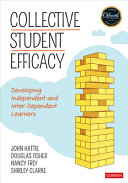
Collective Student Efficacy Developing Independent and Inter Dependent Learners 1st Edition by John Hattie, Douglas Fisher, Nancy Frey, Shirley Clarke 1544383444 9781544383446


Original price was: $50.00.$25.00Current price is: $25.00.
Collective Student Efficacy: Developing Independent and Inter-Dependent Learners 1st Edition by John Hattie, Douglas Fisher, Nancy Frey, Shirley Clarke – Ebook PDF Instant Download/Delivery: 1544383444, 9781544383446
Full download Collective Student Efficacy: Developing Independent and Inter-Dependent Learners 1st Edition after payment
Product details:
ISBN 10: 1544383444
ISBN 13: 9781544383446
Authors: John Hattie, Douglas Fisher, Nancy Frey, Shirley Clarke
Arm students with the confidence they need to pursue ambitious goals—together. Collective student efficacy— students’ beliefs that by working with other people, they will learn more—can be a powerful accelerator of student learning and a precursor to future employment success. Harnessing twenty-five years of VISIBLE LEARNING® research, Collective Student Efficacy: Developing Independent and Inter-Dependent Learners illuminates the power of collective efficacy and identifies the many ways teachers can activate collective efficacy with their students. More than cooperative and collaborative learning, collective efficacy requires the refinement of both individual and collective tasks that build on each other over time. This innovative book details how knowledge, skills, and dispositions entangle to create collective and individual beliefs, and leads educators to mobilize collective efficacy in the classroom. It includes: The vital components and evidence-based success criteria necessary for students′ collective efficacy The “I” and “We” skills that need to be developed to ensure students have the skills and confidence to contribute to group success The nature of learning design, lesson planning, and classroom structures that ensure opportunities for all students to engage in collective efficacy The necessity for constructive alignment between learning intentions, tasks, success criteria, and assessments “Learning from a Distance” actions to facilitate building skills in remote learning environments The time is now to prepare students to meet the demands of the future. Through collective student efficacy, students will learn to become actionable agents of learning and change.
Collective Student Efficacy 1st Table of contents:
Chapter 1 The Value of the Collective
Chapter 2 Why Focus on Collective Student Efficacy?
Collective Efficacy
Teacher Collective Efficacy
Collective Student Efficacy
The “I” Skills
The “We” Skills
The Role of the Teacher in Collective Student Efficacy
The Role of the Student in Collective Efficacy
Chapter 3 Developing the “I” Skills
Knowledge Building
Self-efficacy
Appropriately Challenging Goals
Receiving and Giving Feedback
Agency
Resilience
Communication Skills
Chapter 4 Developing the “We” Skills
Developing Shared Beliefs
Social Sensitivity
Potency
The “I” and the “We” Skills
Chapter 5 The Learning Design of the Lesson
The Four Key Task Designs for Collective Student Efficacy
The Challenge and Motivation Factor
Open Tasks Lead to Collective Engagement
Ensuring That Students Have Sufficient Knowledge, Confidence, and Motivation to Tackle the Task
Clarity About Knowledge and Skills: Knowing That and Knowing How
The Connection Factor
Chapter 6 Learning Intentions and Success Criteria for Collective Student Efficacy
Learning Intentions
Learning Intentions and Success Criteria
Success Criteria for Effective Interdependence: The Link to Collective Student Efficacy
Chapter 7 Learning in Pairs and Groups
More Is Less?
Learning in Pairs
Learning in Groups
Handling Negativity in a Group
Chapter 8 Assessment of Collective Student Efficacy
Revisiting Success Criteria for Collective Student Efficacy
Surveys and Reflections
Methods of Assessment
Assigning Grades and Feedback to Individual and Group Contributions and Outcomes
Chapter 9 The Possibility of Collective Student Efficacy
Gains for Students and Teachers
References
People also search for Collective Student Efficacy 1st:
collective efficacy in education
student ownership of learning
visible learning strategies
collaborative learning classrooms
educational leadership and efficacy
Tags: Collective Student, Efficacy Developing, Independent, Dependent Learners, John Hattie, Douglas Fisher, Nancy Frey, Shirley Clarke
You may also like…
Education Studies & Teaching - Education Management & Organisation
Bloomsbury CPD Library: Independent Learning 1st Edition John L. Taylor
Business & Economics - Management & Leadership

Education Studies & Teaching - Educational Theory

Education Studies & Teaching - Educational Theory

Education Studies & Teaching - Educational Theory

Education Studies & Teaching - Education Management & Organisation
Collective Leader Efficacy Strengthening Instructional Leadership Teams 1st Edition Peter M. Dewitt

Uncategorized
Education Studies & Teaching - School Education & Teaching

Education Studies & Teaching - Teaching & Teacher Training